
Last Updated: 6 months ago
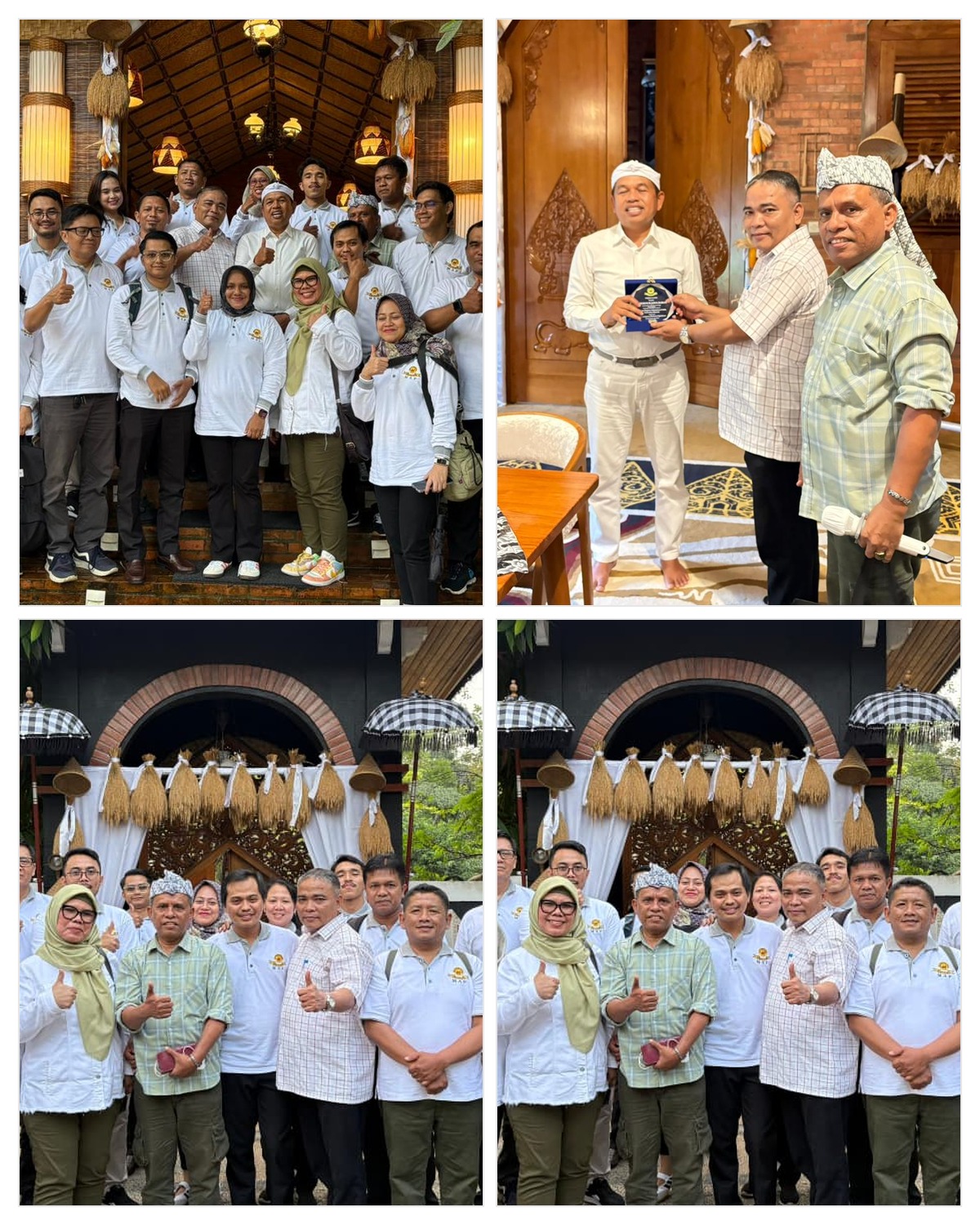
Bogor, [Monday, 19 December 2025] — Students of the Master of Public Administration Programme, Postgraduate School of Djuanda University (UNIDA) Bogor, conducted a field study to strengthen their learning in the public administration theory course on the theme of Local Culture-Based Democratic Leadership. This activity took place in Bumi Pakuan, the residence of the Governor of West Java, Mr Dedi Mulyadi.
The field study aimed to enrich students' understanding of democratic leadership practices based on local cultural values, including how these values are integrated into decision-making, leadership communication patterns, and public service approaches. Through experiential learning, students are expected to be able to connect academic concepts with the realities of governance and leadership at the regional level.
During the activity, students participated in a series of agendas that included direct observation of the institutional environment, learning discussions, and strengthening academic reflection related to the context of leadership that is responsive to the socio-cultural characteristics of the people of West Java. This field study also serves as a learning space to foster students' critical perspectives on the dynamics of public leadership, particularly in building legitimacy, participation, and public trust.
The Head of the Master of Public Administration Study Programme stated that this activity is part of a learning strategy that emphasises a balance between theoretical understanding and strengthening students' practical competencies. ‘Field studies provide students with the opportunity to see how the values of democracy, leadership, and local culture can be interconnected in government practice,’ he said.
Through this activity, the Djuanda University Graduate School reaffirms its commitment to providing a contextual, relevant, and impactful learning process. It is hoped that this field study experience will strengthen the capacity of Master of Public Administration students as future leaders and public policy managers who are adaptive, ethical, and sensitive to local wisdom.